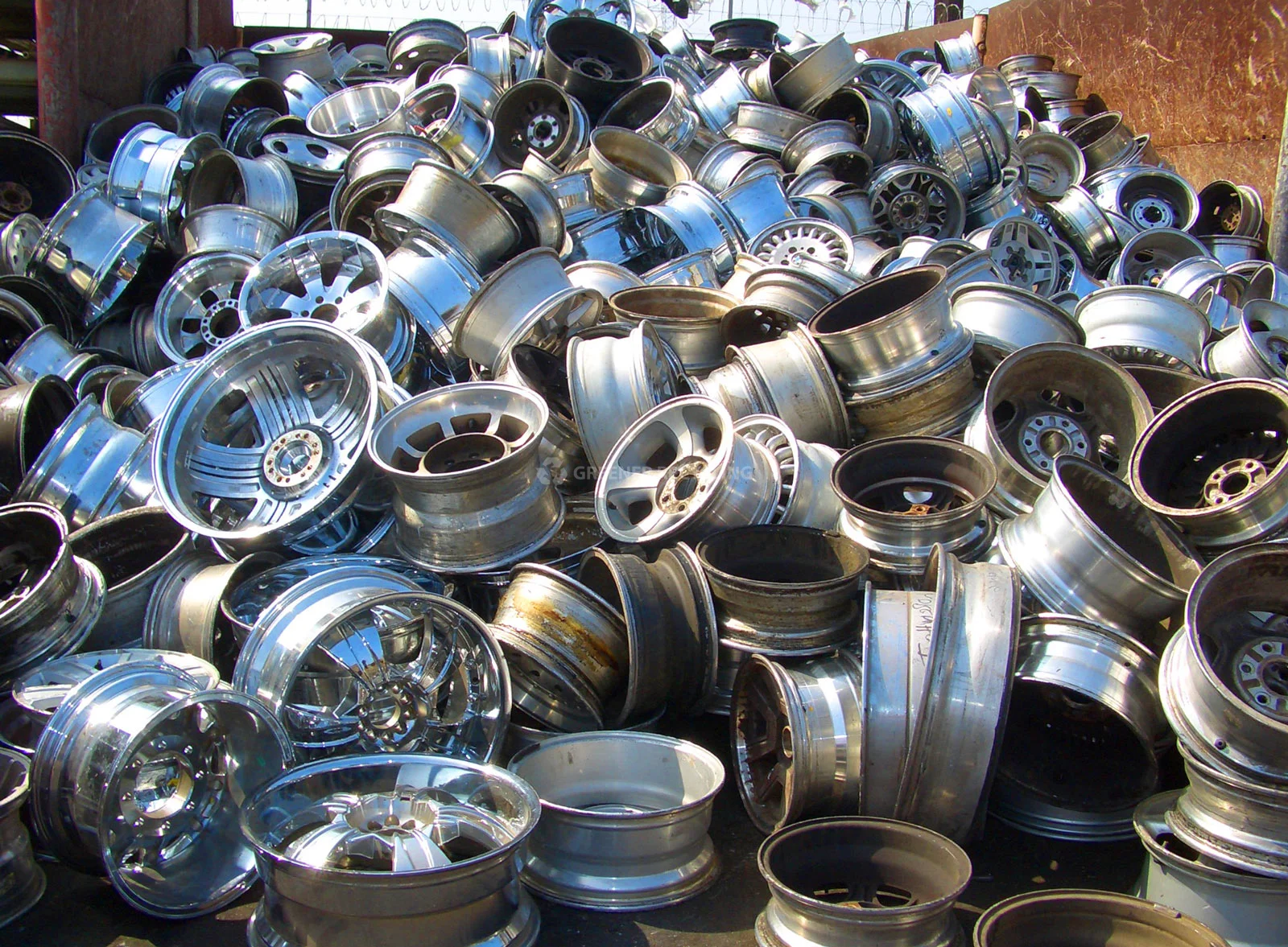
Aluminum Wheels Scrap
Aluminum wheel scrap: Recyclable material sourced from automotive scrapyards, manufacturing plants. Repurposed for new wheels, automotive parts, and construction materials. Offers strength, durability, and corrosion resistance for sustainable manufacturing.
Description
Aluminum Wheel Scrap:
Aluminum wheel scrap refers to discarded or surplus aluminum wheels sourced from various sources such as automotive scrapyards, manufacturing plants, and recycling centers. These scrap materials consist of aluminum alloy wheels that have reached the end of their usable life or are no longer needed for their original purpose. Collected aluminum wheel scrap is recycled to reclaim its raw material value and repurpose it for various applications across industries.
Key Features:
- Recyclability: Aluminum wheel scrap is highly recyclable, as aluminum is a non-ferrous metal that can be recycled indefinitely without losing its properties. Recycling aluminum wheel scrap helps conserve natural resources, reduce energy consumption, and minimize environmental impact compared to producing aluminum from raw materials.
- Strength and Durability: Aluminum wheels are renowned for their strength, durability, and lightweight properties. Despite being scrap material, aluminum wheel scrap retains these qualities, making it suitable for recycling and repurposing in various industrial applications.
- Corrosion Resistance: Aluminum wheel scrap exhibits inherent corrosion resistance, making it suitable for outdoor and automotive applications. Recycled aluminum wheels are used to manufacture new wheels, automotive parts, and structural components that require resistance to corrosion and environmental elements.
- Versatility: Aluminum wheel scrap can be repurposed for a wide range of applications across industries, including automotive, aerospace, construction, and manufacturing. Recycled aluminum wheels are used to manufacture new wheels, automotive accessories, building materials, and consumer goods, contributing to a circular economy and sustainable resource management.
Applications:
- Automotive Industry: Recycled aluminum wheel scrap is utilized in the automotive industry for manufacturing new wheels, hubcaps, and automotive components. Aluminum wheels offer lightweight, strength, and aesthetic appeal, contributing to fuel efficiency, performance, and design versatility in vehicles.
- Aerospace Sector: Aluminum wheel scrap finds applications in the aerospace sector for producing aircraft wheels, landing gear, and structural components. Aluminum wheels offer high strength-to-weight ratio, fatigue resistance, and dimensional stability required for aerospace applications.
- Construction Projects: Recycled aluminum wheel scrap is used in construction projects for manufacturing architectural components, structural fittings, and building materials. Aluminum wheels provide design flexibility, corrosion resistance, and durability, making them suitable for modern architectural designs and infrastructure projects.
- Consumer Goods: Aluminum wheel scrap is repurposed for manufacturing consumer goods, including furniture, decorative items, and recreational equipment. Recycled aluminum wheels offer aesthetic appeal, durability, and recyclability, meeting the demands of modern consumers for sustainable and stylish products.
- Industrial Applications: Recycled aluminum wheel scrap is utilized in various industrial applications, such as machinery manufacturing, equipment fabrication, and material handling. Aluminum wheels provide versatility, reliability, and cost-effectiveness for industrial processes requiring high-performance materials.
Conclusion:
Aluminum wheel scrap plays a vital role in the recycling industry and contributes to sustainable manufacturing practices across industries. By collecting and recycling aluminum wheel scrap, we conserve natural resources, reduce energy consumption, and minimize environmental impact associated with primary aluminum production. Recycled aluminum wheel scrap provides a reliable source of high-quality aluminum materials for automotive, aerospace, construction, consumer goods, and industrial applications, demonstrating the value of recycling in promoting resource efficiency and environmental stewardship.


Reviews
There are no reviews yet.