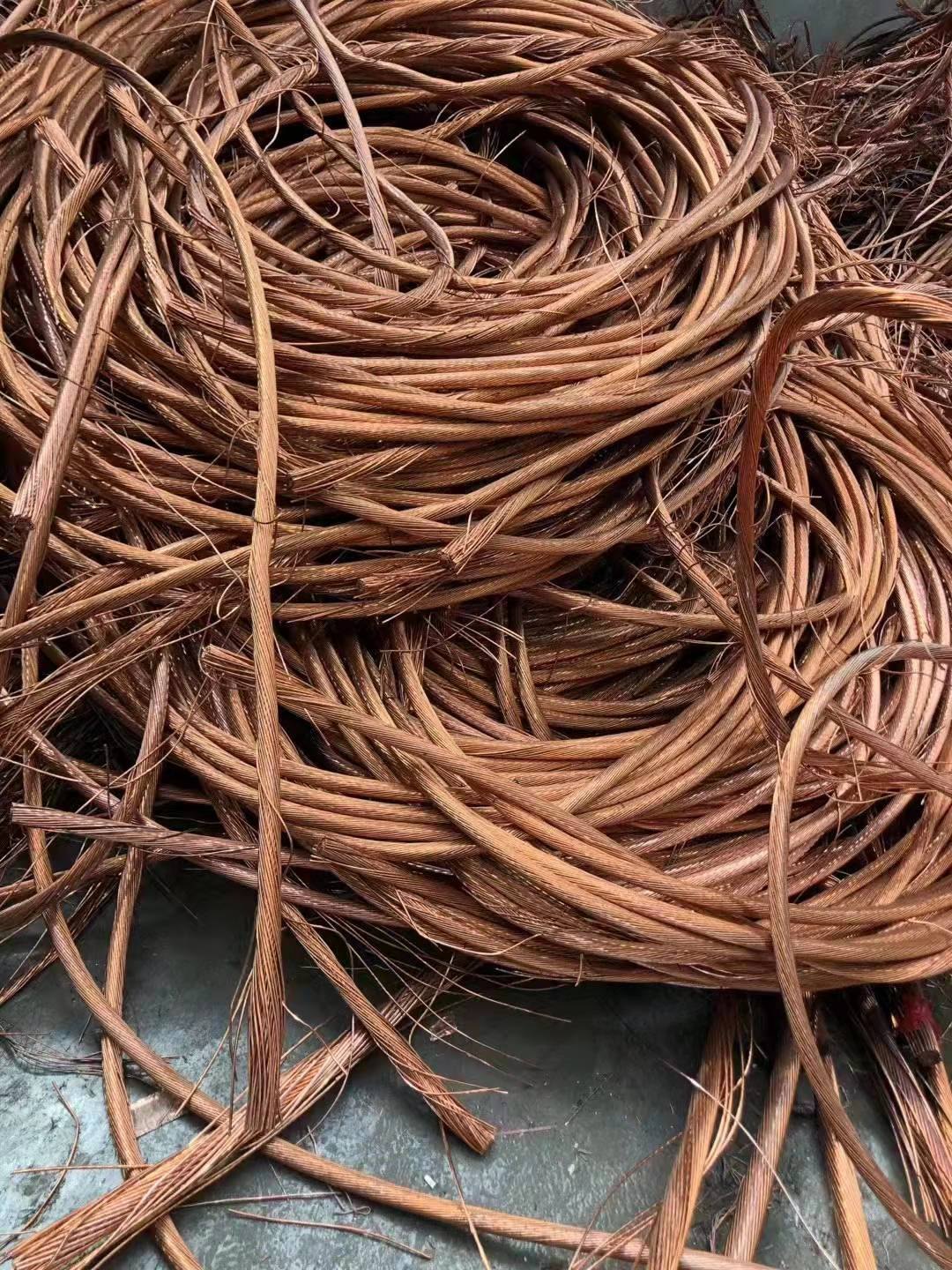
Copper Coils Scrap
Copper coils scrap: Recycled from electrical equipment. Offers high conductivity, thermal properties. Used in engineering, construction. Promotes sustainability through recycling.
Description
Copper Coils Scrap:
Copper coils scrap consists of discarded or surplus copper coils sourced from electrical equipment, including motors, transformers, and generators. These coils are essential components in electrical systems due to copper’s excellent conductivity and thermal properties. Collected copper coils scrap is recycled to reclaim its raw material value and repurpose it for various applications across industries.
Key Features:
- Recyclability: Copper coils scrap is highly recyclable, as copper is a valuable non-ferrous metal that retains its properties through repeated recycling processes. Recycling copper coils scrap helps conserve natural resources, reduce energy consumption, and minimize environmental impact compared to producing copper from raw materials.
- Conductivity: Copper coils offer exceptional electrical conductivity, making them ideal for use in electrical transmission and distribution systems. Despite being scrap material, copper coils scrap retains these properties, making it suitable for recycling and repurposing in electrical applications.
- Thermal Properties: Copper coils exhibit excellent thermal conductivity and heat dissipation properties, making them suitable for applications requiring efficient heat transfer. Recycled copper coils are used in heat exchangers, HVAC systems, and industrial equipment for thermal management and energy efficiency.
- Versatility: Copper coils scrap can be repurposed for a wide range of applications across industries, including electrical engineering, construction, and manufacturing. Recycled copper coils are used to manufacture new electrical components, plumbing fittings, and consumer goods, contributing to a circular economy and sustainable resource management.
Applications:
- Electrical Engineering: Recycled copper coils scrap is utilized in electrical engineering for manufacturing new motors, transformers, and generators. Copper coils offer high electrical conductivity, low resistance, and reliability, ensuring optimal performance and energy efficiency in electrical systems.
- Construction Sector: Recycled copper coils scrap is used in the construction sector for producing electrical wiring, plumbing fittings, and architectural components. Copper coils provide durability, corrosion resistance, and aesthetic appeal, making them suitable for modern building designs and infrastructure projects.
- Manufacturing Processes: Copper coils scrap is repurposed for various manufacturing processes, including metal fabrication, casting, and machining. Recycled copper coils are used to produce custom components, fasteners, and hardware for industrial equipment, machinery, and consumer products.
- Renewable Energy Systems: Recycled copper coils scrap is utilized in renewable energy systems, such as solar panels and wind turbines. Copper coils are used in electrical connections and conductors for transmitting renewable energy generated from solar and wind sources to the grid.
- Consumer Electronics: Recycled copper coils scrap is repurposed for manufacturing consumer electronics, such as smartphones, laptops, and household appliances. Copper coils offer compact size, lightweight, and high performance, meeting the demands of modern consumers for energy-efficient and sustainable products.
Conclusion:
Copper coils scrap plays a vital role in the recycling industry and contributes to sustainable manufacturing practices across industries. By collecting and recycling copper coils scrap, we conserve natural resources, reduce energy consumption, and minimize environmental impact associated with primary copper production. Recycled copper coils provide a reliable source of high-quality materials for electrical engineering, construction, manufacturing, renewable energy, and consumer electronics applications, demonstrating the value of recycling in promoting resource efficiency and environmental stewardship.


Reviews
There are no reviews yet.